Protective Cases with MagSafe, NFC and Antibacterial Coatings: What Is Actually Useful?
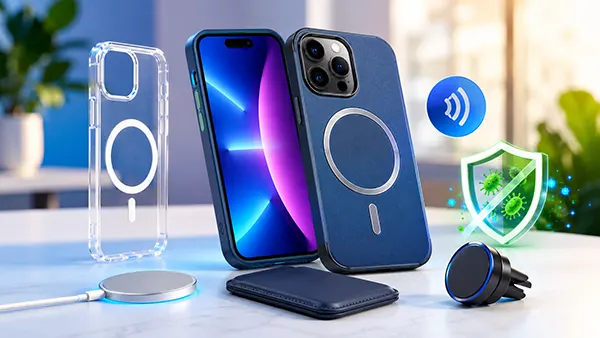
Choosing a smartphone case is no longer as simple as deciding between silicone, leather or hard plastic. Modern accessories often include additional technologies that promise greater convenience, improved hygiene and enhanced compatibility with everyday devices. Features such as MagSafe support, built-in NFC chips and antibacterial coatings are now widely available across different price ranges. While these additions sound appealing, not every feature offers genuine value for every user. Understanding how these technologies work helps avoid paying extra for functions that may never be used.
How Modern Protective Cases Have Changed
Until a few years ago, the main purpose of a smartphone case was straightforward: protect the device from scratches and minimise damage after accidental drops. Although impact resistance remains important, manufacturers now compete by integrating technologies that extend the usefulness of a case beyond basic protection. This shift reflects changing consumer habits, as smartphones have become central to communication, payments, navigation, photography and smart home control.
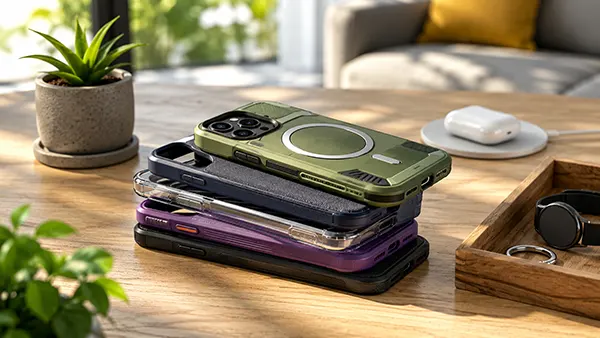
Premium accessories increasingly combine durable materials with functional elements. Strong polycarbonate frames, shock-absorbing thermoplastic polyurethane, raised camera bezels and reinforced corners are now often accompanied by magnetic charging compatibility or programmable NFC functions. Rather than simply wrapping the phone, today’s case can become part of the wider mobile ecosystem.
At the same time, buyers should recognise that additional features differ greatly in practical value. Some technologies genuinely improve everyday convenience, while others mainly serve as marketing points. Assessing how each feature performs in daily use is more useful than focusing solely on product descriptions or packaging claims.
Understanding the Three Most Common Smart Features
MagSafe compatibility is probably the most familiar upgrade. Originally introduced by Apple for iPhone models, MagSafe uses a precisely positioned ring of magnets inside the case that aligns wireless chargers and magnetic accessories. When implemented correctly, charging remains stable, magnetic wallets stay securely attached and compatible car mounts hold the phone firmly without requiring mechanical clamps.
NFC integration works differently. Instead of assisting with charging, a tiny programmable NFC chip inside the case can trigger specific smartphone actions when touched against another compatible device or scanned by the owner’s phone. Depending on the programming, a single tap may launch a favourite application, share contact information, connect guests to Wi-Fi, open a digital business card or activate automation routines.
Antibacterial coatings represent another category altogether. Rather than adding digital functionality, these coatings are designed to reduce bacterial growth on the surface of the case between regular cleaning sessions. Many manufacturers achieve this by incorporating silver-based antimicrobial compounds or similar additives into the outer material. However, these coatings should never be considered a replacement for cleaning the case regularly, as they do not eliminate viruses, dirt, skin oils or other everyday contaminants.
MagSafe Compatibility: When It Is Worth Paying Extra
MagSafe is often advertised as a premium feature, but its real usefulness depends entirely on how a smartphone is used. For owners of compatible iPhone models, a properly designed MagSafe case provides consistent alignment with wireless chargers, reducing the risk of inefficient charging caused by poor positioning. It also enables the use of a growing range of magnetic accessories, including wallets, power banks, desktop stands, car mounts and camera grips that can be attached or removed within seconds.
Not every case labelled as “MagSafe compatible” performs equally well. Reliable products use carefully positioned high-strength magnets that match Apple’s official magnetic layout. Lower-quality alternatives may contain weaker magnets or incorrect alignment, causing accessories to slip, detach unexpectedly or reduce charging efficiency. Before purchasing, checking compatibility tests or independent user reviews is often more informative than relying solely on marketing descriptions.
Android users should approach MagSafe-labelled accessories differently. Some Android smartphones support magnetic accessories through specially designed cases containing magnetic rings, but this does not automatically provide the same level of compatibility as Apple’s ecosystem. Wireless charging standards, internal coil placement and magnet strength vary significantly between manufacturers, making compatibility dependent on the specific phone model.
Common Situations Where MagSafe Brings Genuine Benefits
Frequent drivers often gain the greatest advantage from MagSafe. A magnetic mount allows the phone to be attached with one hand while maintaining a secure hold during normal driving. Navigation becomes more convenient because there are no side clamps covering buttons or interfering with the screen, while removing the phone takes only a quick pull.
People who charge their phones wirelessly every day also benefit from consistent magnetic alignment. Correct positioning helps maintain stable charging throughout the session, particularly overnight or while working at a desk. It also reduces the need to repeatedly adjust the device after placing it on a charging pad.
Another practical application involves portable magnetic battery packs. These accessories attach directly to the rear of the case without requiring cables, providing additional power while remaining compact enough for travel. For commuters, business travellers and frequent photographers, this combination often proves more convenient than carrying traditional wired power banks.
NFC Technology Inside Smartphone Cases: Practical Functions Beyond Contactless Payments
NFC is commonly associated with contactless payments, but an NFC chip built into a protective case serves a different purpose. Instead of replacing the phone’s own payment system, it acts as a programmable tag that can trigger specific actions when scanned. Modern Android smartphones offer extensive NFC automation through built-in routines or third-party applications, while iPhone users can also use NFC shortcuts for many everyday tasks. The technology requires very little power because the chip is activated only when it comes into close contact with a compatible device.
One of the biggest advantages of NFC is flexibility. A single chip can be programmed, erased and reprogrammed many times, allowing users to adapt it as their routines change. Businesses often use NFC-enabled cases to share digital business cards or company information, while private users may configure shortcuts for navigation, smart home controls or favourite applications. This makes the feature useful without adding noticeable weight or thickness to the case.
Privacy should also be considered when using NFC. Since the chip can store information or trigger automated actions, users should avoid saving sensitive personal data directly on it. Instead, many people configure NFC tags to launch secure applications or encrypted cloud links rather than storing confidential details inside the chip itself.
Should You Choose an Antibacterial Coating?
Antibacterial coatings have become increasingly common as manufacturers focus on hygiene alongside durability. Most quality coatings rely on antimicrobial compounds, frequently based on silver ions or similar materials, which are incorporated into the surface during production. Their purpose is to slow the growth of many common bacteria that accumulate after regular daily handling.
It is important to understand what these coatings actually do. They do not sterilise the case, remove fingerprints, eliminate viruses or replace routine cleaning. A smartphone is handled dozens or even hundreds of times each day and comes into contact with pockets, bags, tables, steering wheels and countless other surfaces. Regular cleaning with a suitable microfibre cloth and approved cleaning solution remains essential regardless of whether the case includes antimicrobial protection.
For healthcare workers, retail employees, teachers, public transport staff and anyone who frequently shares their device during the working day, an antibacterial coating may provide an additional hygienic benefit between cleaning sessions. For users who rarely share their phone and already clean it regularly, this feature is generally less significant than durable construction, reliable drop protection or high-quality MagSafe compatibility.