Qi2 and magnetic wireless charging in 2026: what actually works and what is just marketing
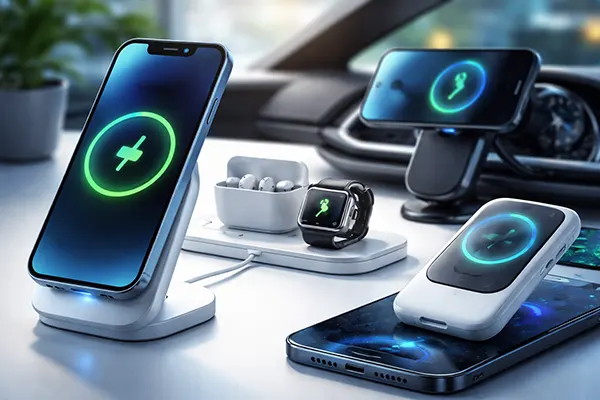
Wireless charging has moved beyond basic convenience. By 2026, Qi2 and magnetic alignment promise stable power delivery, lower heat, and predictable charging behaviour. In practice, many users still face confusion caused by “Qi2-ready” labels, missing magnets, and accessories that fail to deliver consistent output. This article explains how Qi2 really works today, where the differences matter, and how to choose charging gear that performs reliably in everyday use.
Qi2 versus Qi2-ready: understanding the real technical gap
Qi2 is built around the Magnetic Power Profile defined by the Wireless Power Consortium. This profile requires precise magnetic alignment between the transmitter and receiver to maintain optimal coupling. When alignment is correct, energy loss is reduced, charging speed remains stable, and thermal buildup is easier to control. This is the foundation of what most users expect from modern magnetic wireless charging.
Devices marketed as “Qi2-ready” often support the Qi2 electrical standard but lack integrated magnets. In these cases, alignment depends entirely on external accessories such as magnetic cases or rings. Without physical guidance, the charging coil can shift by a few millimetres, which is enough to reduce effective power and trigger thermal throttling. From a technical standpoint, this is compliant but incomplete.
By 2026, the difference is no longer theoretical. Phones with native magnetic alignment consistently maintain higher sustained wattage under load, while Qi2-ready devices rely on add-ons that vary widely in quality. For users, this distinction directly affects charging speed, heat levels, and long-term battery health.
How magnetic alignment affects efficiency and heat
Wireless charging losses increase sharply when coils are misaligned. Even small offsets force the transmitter to increase power to compensate, generating additional heat in both the phone and the charger. Magnetic alignment keeps the coils centred, reducing reactive losses and stabilising current flow.
In real-world testing scenarios, properly aligned Qi2 systems show lower surface temperatures during sustained charging sessions. This matters during navigation, video calls, or car use, where the phone remains active while charging. Reduced heat also means fewer interruptions caused by thermal protection systems.
Without magnets, alignment depends on friction and gravity. Car mounts, bedside chargers, and power banks are especially prone to micro-movements that degrade performance over time. This is why magnetic alignment is not a cosmetic feature but a functional requirement for predictable results.
Compatibility checklist: how to choose Qi2 accessories that actually work
The first step is certification. Qi2-certified chargers carry official WPC markings and support the Magnetic Power Profile. This indicates verified coil placement, controlled magnetic strength, and tested power behaviour. Generic “magnetic wireless” claims without certification often lack these guarantees.
Accessory categories matter. Desk chargers prioritise thermal stability, while car mounts must handle vibration and orientation changes. Power banks require strong alignment to avoid efficiency drops when the phone is carried in a pocket or bag. Each category has different mechanical and electrical demands.
Cases and materials should not be overlooked. Thick cases, metal inserts, or poorly positioned rings interfere with magnetic fields. By 2026, most reliable setups use thin, magnet-aligned cases designed specifically for Qi2 geometry rather than universal stick-on solutions.
Logos, profiles, and real-world checks
Official Qi2 certification confirms compliance with defined power profiles, including current limits and thermal safeguards. Chargers without this certification may still charge a phone but often fall back to lower wattage under sustained use.
MPP support indicates that the charger actively manages alignment and power negotiation. This is especially relevant for devices supporting higher output modes introduced with Qi2 25W. Without proper negotiation, the charger may default to conservative limits.
Real-world validation remains essential. Stable charging during movement, consistent power over time, and predictable behaviour across different devices are practical indicators that matter more than marketing claims on packaging.
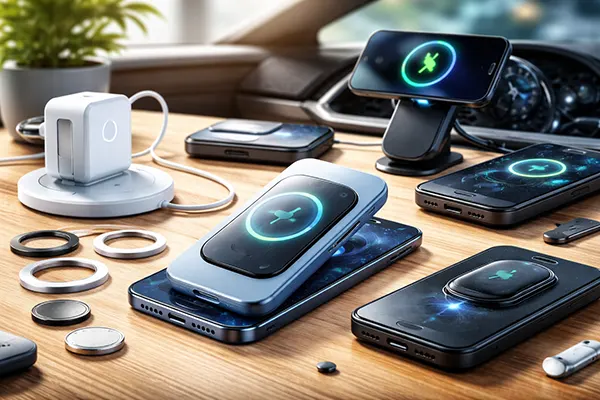
Common mistakes that reduce performance and increase heat
One of the most frequent issues is incompatible cases. Even small metal elements or off-centre rings can disrupt magnetic alignment. This forces the charger to work harder, increasing temperature and reducing effective power delivery.
Another problem is stacking accessories. Magnetic rings added on top of existing cases often shift the effective coil position. While charging may start, efficiency drops noticeably under load, especially during navigation or video streaming.
Users also underestimate environmental factors. Heat dissipation is worse in cars, under sunlight, or on soft surfaces. Qi2 improves stability, but it cannot fully compensate for poor ventilation or excessive ambient temperatures.
How to avoid power loss in daily use
Use cases designed specifically for Qi2 geometry rather than universal magnetic add-ons. These cases align magnets and coils correctly without excessive spacing.
Choose chargers with firm magnetic hold appropriate to their use case. Desk chargers prioritise alignment precision, while car mounts need higher holding force to counter vibration.
Monitor sustained performance rather than peak wattage. A charger that maintains consistent output with moderate temperatures is more beneficial than one advertising high numbers that quickly throttle.