Smart Wearables for Health: What Truly Helps and What Is Just Marketing
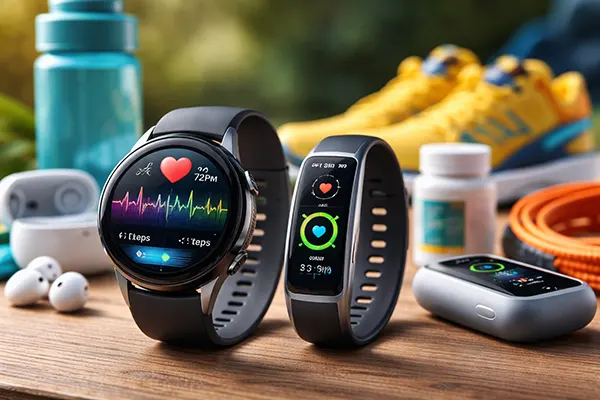
Over the past decade, smart wearables have moved from niche gadgets to everyday tools for monitoring health. From fitness trackers to advanced smartwatches, these devices promise better sleep, improved fitness, and even early detection of health issues. However, not every feature delivers real value. In 2026, with more accurate sensors and wider adoption, it is possible to separate genuinely useful functions from those that exist mainly to attract attention.
Core Health Metrics That Actually Provide Value
Heart rate monitoring remains one of the most reliable and useful features in modern wearables. Optical sensors have improved significantly, and for most users, they provide accurate readings during both rest and moderate activity. Continuous heart rate tracking helps identify trends, such as elevated resting heart rate, which may indicate stress, illness, or overtraining.
Sleep tracking has also become more refined. While not as precise as clinical sleep studies, modern devices can reliably estimate sleep duration and basic sleep stages. This data becomes useful when observed over time, helping users identify patterns linked to lifestyle factors such as caffeine intake, screen exposure, or irregular schedules.
Step counting and general activity tracking still serve as simple but effective motivators. Although basic, these metrics encourage movement and consistency. For many people, reaching daily movement goals leads to measurable improvements in cardiovascular health and overall wellbeing.
Advanced Monitoring: Where Wearables Show Real Progress
Blood oxygen saturation (SpO2) monitoring has gained relevance, particularly after global health concerns earlier in the decade. While not a diagnostic tool, it can provide early signals of respiratory issues or altitude adaptation. Its usefulness increases when combined with other data, such as heart rate and sleep quality.
Electrocardiogram (ECG) features in premium devices have reached a level where they can detect irregular heart rhythms like atrial fibrillation. These readings are not a replacement for medical diagnosis, but they have already contributed to early detection in many cases, prompting timely medical consultations.
Temperature tracking, especially skin temperature trends, is another area of progress. Instead of giving absolute values, wearables track deviations from a personal baseline. This approach is more practical and can indicate illness onset or recovery phases when interpreted correctly.
Features That Sound Impressive but Offer Limited Practical Use
Stress scoring is widely promoted, yet its interpretation remains questionable. Most devices calculate stress based on heart rate variability, but without proper context, the results can be misleading. A high “stress score” may simply reflect physical exertion or temporary emotional changes rather than a meaningful health concern.
Calorie burn estimates are another commonly misunderstood feature. These calculations rely on general formulas and assumptions rather than precise individual metabolism. As a result, the numbers can vary significantly from actual energy expenditure, making them unreliable for strict dietary planning.
Hydration reminders and posture alerts often fall into the category of behavioural nudges rather than true health metrics. While they may help build better habits, they do not provide measurable or medically relevant insights. Their value depends largely on user discipline rather than technological accuracy.
Marketing Trends That Influence User Perception
Many wearable manufacturers emphasise AI-driven insights, yet these features often summarise existing data rather than offering genuinely new conclusions. The term “AI” is frequently used as a marketing label, even when the underlying functionality is based on basic pattern recognition.
Another trend is the expansion of wellness scores that combine multiple metrics into a single number. While convenient, such scores can oversimplify complex physiological processes. Without understanding how the score is calculated, users may draw incorrect conclusions about their health.
Subscription-based features are also becoming more common. Some brands restrict advanced analytics behind paid access, even though the raw data is already collected by the device. This shift reflects a business model change rather than a technological necessity.

How to Use Wearables Effectively in 2026
The real benefit of wearable devices lies in long-term tracking rather than isolated readings. Observing trends over weeks or months provides more meaningful insights than focusing on daily fluctuations. Consistency in wearing the device is essential for building reliable data.
It is also important to treat wearable data as supportive information, not medical advice. Devices can highlight potential issues, but any serious concerns should be confirmed through professional healthcare evaluation. This balanced approach prevents unnecessary anxiety and misinterpretation.
Choosing the right device depends on individual needs. For general fitness, a basic tracker may be sufficient. For users interested in heart health or sleep analysis, more advanced models with ECG or detailed sleep tracking offer additional value.
Practical Recommendations for Users
Focus on a few key metrics rather than trying to monitor everything. Heart rate, sleep duration, and activity levels provide a solid foundation for most users. Adding too many variables often leads to confusion rather than clarity.
Pay attention to trends, not isolated spikes or drops. A single unusual reading rarely indicates a problem, but consistent deviations from your baseline deserve attention. This approach aligns better with how health changes typically occur.
Finally, use wearable data to support lifestyle decisions rather than replace them. Improving sleep routines, maintaining regular physical activity, and managing stress through proven methods remain more effective than relying solely on device feedback.