Smart Backpacks and Sensor-Enhanced Bags: Innovations Shaping 2025
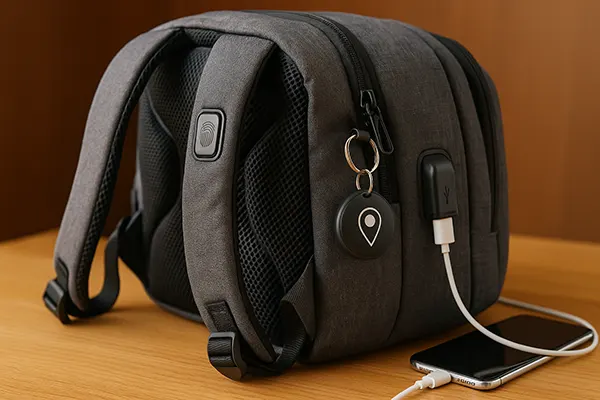
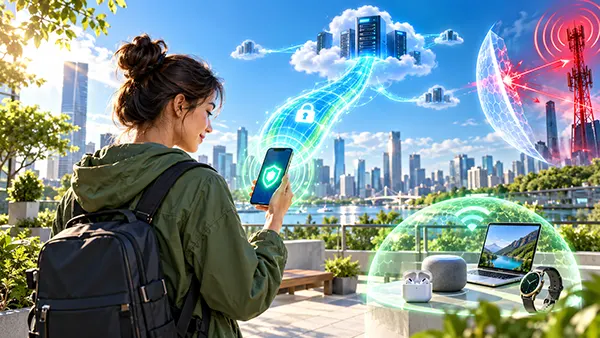
Smart accessories in 2025 are evolving beyond basic tracking devices and simple power solutions. This year marks a clear shift towards multi-functional backpacks and bags equipped with sensors that improve safety, convenience and sustainability for daily commuters and travellers across Europe. The latest models combine reliable location tracking, integrated charging systems, advanced anti-theft layouts and environmentally conscious materials.
Location Tracking and Connectivity Features
The growing need for personal safety and item protection has pushed manufacturers to integrate precise GPS modules and Bluetooth locators into smart backpacks. In 2025, many models available in the European Union include multi-band GPS chips that synchronise with mobile networks for real-time tracking without excessive battery drain. This helps owners keep control of their belongings during crowded commutes or international travel.
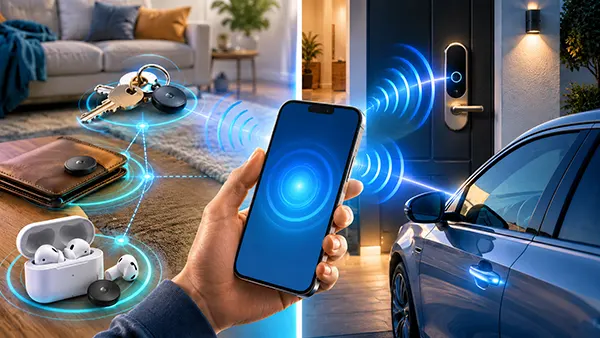
Bluetooth-based tracking continues to evolve, particularly through compatibility with Apple Find My and Google Find My Device. A number of new EU models feature embedded tags that operate without subscription fees, making them accessible for students, professionals and cyclists who need reliable proximity alerts. The accuracy of these systems has improved significantly due to better chipsets and enhanced signal stability.
Several backpack developers now combine GPS and Bluetooth into hybrid systems. This dual structure ensures tracking even when one network becomes unavailable. This approach is increasingly common among Scandinavian and German brands that focus on urban mobility, offering consistent visibility of the bag’s location through dedicated mobile apps.
Power Systems and Integrated Charging
One of the strongest trends in 2025 is the development of power-bank ecosystems built directly into the backpack shell. Rather than carrying external chargers, users now rely on modular battery units designed to fit seamlessly into a designated internal compartment. These batteries meet EU transport regulations and can be removed quickly for air travel security checks.
Modern power-bank systems support fast charging through USB-C PD, allowing users to power laptops, tablets and smartphones during long journeys. Some premium models incorporate internal cable channels, ensuring tidy cable management and reducing wear on electronic devices. This makes them attractive for workers who spend long hours away from traditional power outlets.
Manufacturers have also introduced energy-saving systems that extend battery lifespan by distributing power based on device priority. This feature has gained popularity among digital nomads and photographers who carry multiple gadgets and require stable power throughout the day.
Anti-Theft Protection and Structural Innovations
Security remains one of the strongest motivating factors for purchasing smart backpacks. In 2025, anti-theft features have reached new levels of reliability. Many EU brands use hidden zippers, protected compartments and reinforced back panels that minimise the risk of unauthorised access in crowded public areas.
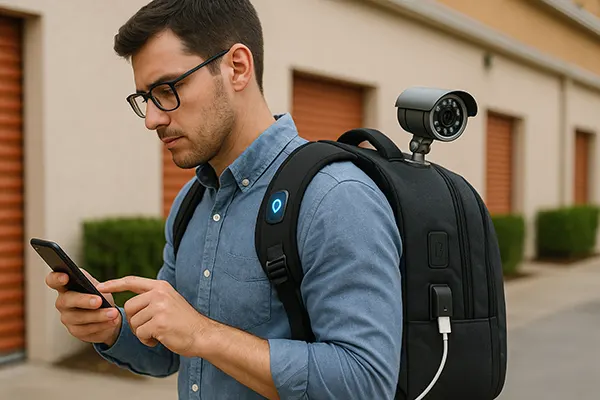
Motion and proximity sensors have become more advanced, triggering alerts when the bag is moved unexpectedly. Some models link to the user’s smartphone and send notifications if distance thresholds are exceeded. This system is particularly helpful in cafés, airports and co-working spaces where belongings are often left unattended for short periods.
A number of manufacturers have adopted slash-proof fabrics reinforced with aramid fibres or blended synthetics. These materials resist knife cuts and general abrasion without adding excessive weight. This shift addresses concerns of commuters in major EU cities where petty theft remains a challenge.
Smart Locking Mechanisms
Smart locking systems are becoming more common in everyday accessories. Fingerprint locks are now used to protect sensitive compartments that store passports, laptops or important documents. These modules are powered by low-energy circuits and can operate for weeks without charging.
Several backpacks offer numeric padlocks built into the structure of the bag, reducing the need for detachable accessories. This integrated approach removes the risk of losing padlocks while maintaining the security level expected in 2025. The controls are positioned discreetly to preserve a minimalist exterior.
Some higher-end European models incorporate wireless locking features managed through encrypted mobile apps. The technology is designed to resist unauthorised pairing attempts and adds an extra layer of protection for business travellers who carry valuable equipment.
Sustainable Materials and EU Market Availability
Environmental considerations hold a leading position in Europe’s accessory market, and smart backpacks are no exception. In 2025, manufacturers increasingly rely on recycled plastics sourced from ocean waste, post-consumer bottles and industrial by-products. These materials undergo high-standard processing, resulting in durable fabrics with reduced environmental impact.
Brands across Germany, the Netherlands and the Nordic region actively publish transparency reports detailing the percentage of recycled components used in each model. This practice has become a strong buying factor as consumers seek accessories that align with European sustainability goals. Many models include certifications such as Global Recycled Standard (GRS) and OEKO-TEX Standard 100.
Several models with advanced sensor technologies are widely available across EU online retailers and physical shops. Popular examples in 2025 include models from XD Design, Nordace, Mark Ryden EU editions, and Samsonite’s new smart collection designed specifically for European commuters. These products combine practical features, verified sustainability claims and reliable sensors tailored for everyday use.
Market Trends and User Expectations
The demand for long-lasting materials and responsibly sourced components continues to shape product development throughout the EU. Consumers increasingly expect extended warranties, repairability options and detailed product documentation to ensure long-term value from their purchase.
European buyers also favour backpacks that maintain a clean appearance while integrating advanced technologies discreetly. This balance between aesthetics and function encourages manufacturers to invest in better design, refined stitching and hidden technology modules.
As sensor-based accessories expand across the region, the market shows clear signs of further growth in 2025. Customer feedback highlights the need for better ergonomics, more powerful batteries and improved cross-platform compatibility. These expectations are likely to influence the next wave of smart accessory innovations.